
Shop front painting in Bedford
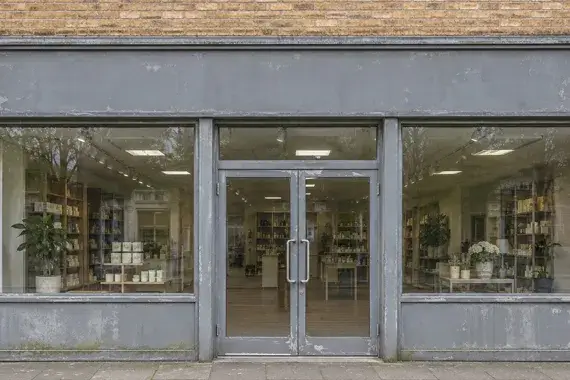
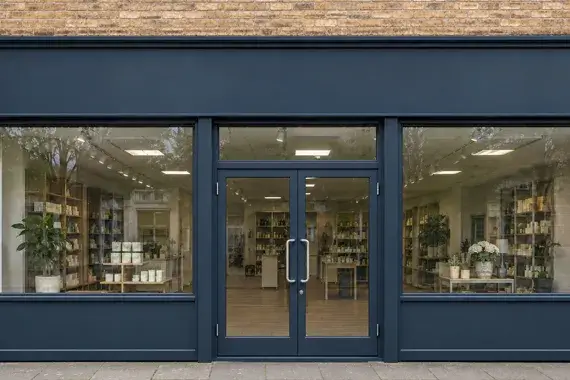
Sometimes it’s the door customers touch every day that needs repainting. Sometimes it’s the whole frontage, from the signboard to the panels below the windows. We paint shop fronts in Bedford, from single entrances to larger premises with several bays.
Send us a photo of the whole frontage and tell us which entrance needs to stay in use. We can talk through what’s worth repainting and how to time it around your business.
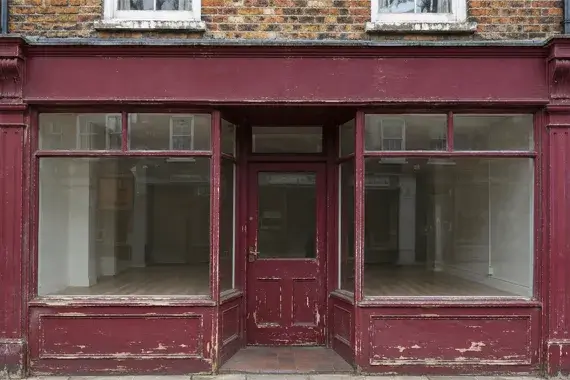
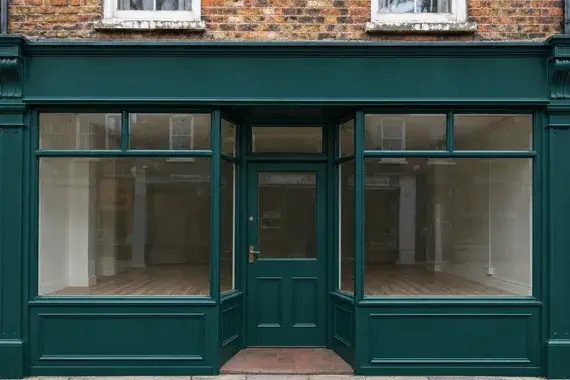
What’s worth repainting?
One door or window bay. If the wear is local, a smaller repaint may be enough. Ask where the new paint will meet the old. A corner, trim joint or complete panel gives a natural stopping point, especially when the existing colour has faded.
A full frontage or several units. Mark up a photo to show which doors, window bays and side returns to include. List the signboard, sills, lower panels and columns separately. For a corner shop, send a photo from both streets so the side frontage is accounted for.
If you want the security shutter to match the frames, include a photo with it closed. See our roller shutter painting service.
Mark where the work should stop
On a photo, draw a line around the parts you want painted. Include the face of the door, its edges, the frame and the recess only where you want them done. For a row of shops, mark each unit separately and note whether a shared column is included.
If you need to spread the work over time, start with the surfaces that are failing and ask which sound areas can wait. Agree a stopping point at a corner or trim joint so a later phase has a clear place to start.
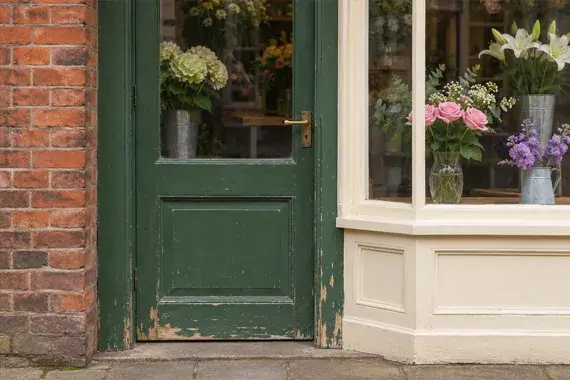
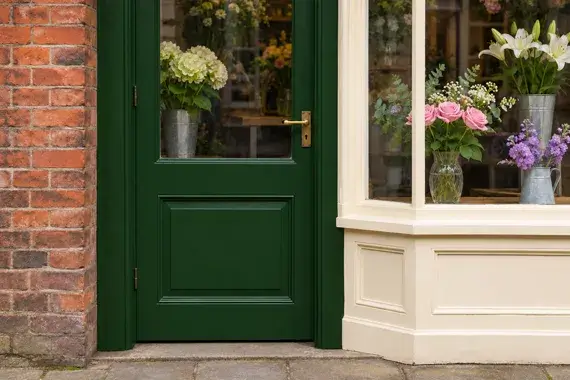
Check the surface before choosing the finish
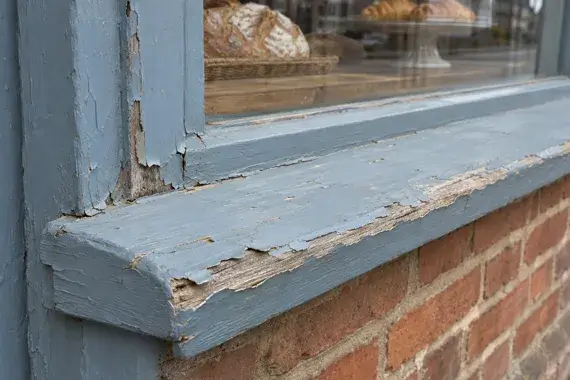
Photograph the problem areas as well as the whole shop front. A close-up of a peeling sill can tell us more about the prep than a photo from across the street.
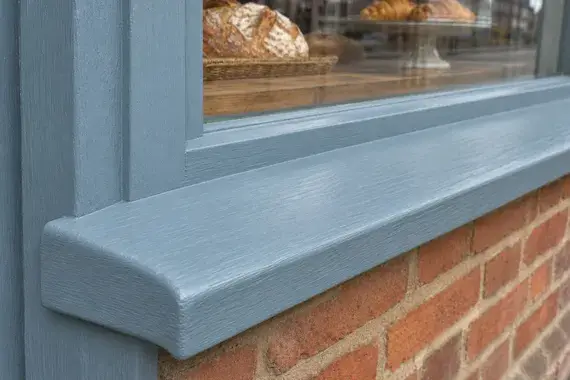
- Timber. Show us peeling paint, open joints and soft patches around the sills and door bottoms. If a patch keeps getting wet, mention where the water seems to come from.
- Metal. Show us chips, rust or lifting coatings. Tell us if it’s aluminium, steel or a powder-coated frame, if you know. The preparation and primer depend on what’s already there.
- uPVC. Tell us if it’s smooth, woodgrain or already painted. That helps us choose preparation and a coating suited to the existing finish.
Mention doors that scrape or stick, and tell us which glass, seals and fittings need protecting. If we find damage during preparation, we can discuss how it affects the work before repainting that area.
What will the preparation cover?
Ask the decorator to show you where the old coating is loose and where it can stay. A written quote should explain how loose paint, bare patches and failed joints will be dealt with, and which repairs need a separate price.
If the same patch keeps peeling, tell us when it last happened and whether it gets wet after rain or washing. If you still have the old paint tin or a product name, share it. That can help us assess how the next coating will bond.
Keep customers, deliveries and sign fitters in the plan
Give us your opening hours, quieter periods and delivery times. If there’s one customer entrance, agree when the door can be painted and when it can be handled or closed again. For several bays, ask whether the work can be done in stages. Include photos of ramps, narrow pavements and awnings so we can see what needs to stay clear.
If you’re rebranding, send your RAL code or a physical colour sample. Tell us whether the existing sign is staying or being replaced. Agree who will remove old vinyl and fixings, and ask the sign fitter how long the new coating needs to cure before adhesive graphics go on.
Share your reopening date early so the schedule can allow for drying and weather. If you rent the shop, agree the areas and colour with the landlord before booking.
Agree the order before anyone books a date
- Before painting. Decide which signs, brackets and vinyl are coming off, who will remove them and which holes need making good.
- During painting. Agree which entrance and delivery route need to stay clear. If work is phased, decide which bay goes first and where each phase ends.
- After painting. Check when doors can return to normal use and confirm the coating’s curing time with the sign fitter before booking the vinyl installation.
What to send for a quote you can compare
- Your postcode and a wide photo of each side of the shop front.
- The approximate size or number of doors, windows and bays.
- Close-ups of peeling paint, corrosion, damage or old sign fixings.
- The areas and colours you want, your opening hours and any access limits.
- Your target finish date and whether other trades are booked.
Before comparing prices, check the quotes cover the same areas, preparation and access. Ask whether door edges or inside faces are included, how glass and paving will be protected, and how any extra repairs will be agreed.
Shop front painting FAQs
Can you paint just one door or window frame?
Yes. Send a photo showing where the work should stop and whether the new paint needs to blend into the existing finish.
Can we stay open during painting?
It depends on the entrance and access. Share your quietest hours, delivery times and the doors customers need so we can discuss a schedule.
Can you match our brand colour?
Send a RAL code or physical sample if you have one. Tell us whether you want to match a sign as it looks today or its original colour.
What if you find soft timber?
We’ll discuss any repair needed before that section is painted. Close-ups of the sills and door bottoms help us spot likely issues early.
Can you work around new signage?
Share the sign fitter’s date and whether the old fixings will be reused. We can discuss the order of work and allow time for the coating to cure before graphics are applied.
What affects the price?
Size, condition, material, access and working hours all matter. A small entrance with failing paint may need more preparation than a larger frontage in good condition.